yamaha ef2000is manual
Yamaha EF2000iS Manual: A Comprehensive Guide
This guide comprehensively details the Yamaha EF2000iS inverter generator, covering operation, maintenance, and troubleshooting,
leveraging official Yamaha resources and community insights for optimal performance and longevity.
The Yamaha EF2000iS is a highly-regarded portable inverter generator known for its quiet operation, clean power output, and compact design. It’s a popular choice for camping, tailgating, RV use, and as a reliable emergency power source. This manual aims to provide a thorough understanding of this versatile generator, enabling users to maximize its benefits and ensure safe, efficient operation.
Yamaha’s reputation for quality and innovation shines through in the EF2000iS. It delivers stable power suitable for sensitive electronics like laptops, smartphones, and televisions, unlike conventional generators. The unit’s inverter technology produces a sine wave output, minimizing the risk of damage to delicate devices. Furthermore, its lightweight construction and ergonomic handle facilitate easy transport and maneuverability. Understanding its features and following the guidelines within this manual will unlock the full potential of your Yamaha EF2000iS.
Understanding the Key Features
The Yamaha EF2000iS boasts several key features that distinguish it from other portable generators. Its inverter technology delivers exceptionally clean power, crucial for sensitive electronics. The unit features a remarkably quiet operation, making it suitable for campsites and residential areas – a significant advantage over traditional generators.
Furthermore, the EF2000iS offers impressive fuel efficiency, providing extended run times on a single tank. Its compact and lightweight design enhances portability, while the parallel capability allows connecting two EF2000iS units for doubled power output. The built-in Voltage Stabilization technology ensures a consistent and reliable power supply. Yamaha’s Smart Throttle adjusts engine speed based on load, optimizing fuel consumption and reducing noise. These features combine to create a powerful, versatile, and user-friendly generator.

Safety Precautions & Important Information
Prioritize safety when operating the Yamaha EF2000iS; carefully review all warnings regarding carbon monoxide, electrical hazards, and proper fuel handling procedures.
Carbon Monoxide Hazards
Carbon monoxide (CO) is a colorless, odorless gas produced during the combustion process, posing a severe and potentially fatal hazard. The Yamaha EF2000iS generator produces CO, and operating it in enclosed or poorly ventilated spaces can lead to dangerous CO buildup.
Never operate the generator inside homes, garages, sheds, or any other enclosed areas, even with doors and windows open. Always position the generator outdoors, at least 20 feet away from windows, doors, and vents. Be mindful of wind direction, ensuring exhaust fumes do not enter occupied buildings.
Install battery-operated CO detectors in your home and near the generator’s operating location as a crucial safety measure. Regularly test the detectors to ensure they are functioning correctly. Recognize the symptoms of CO poisoning – headache, dizziness, weakness, nausea, vomiting, chest pain, and confusion – and seek immediate medical attention if experienced.
Electrical Safety Guidelines
The Yamaha EF2000iS provides reliable power, but adherence to electrical safety is paramount. Always inspect power cords for damage before use, replacing any frayed or cracked cords immediately. Avoid overloading the generator by carefully calculating the wattage requirements of connected appliances.
Use appropriately sized extension cords rated for outdoor use and the intended amperage. Never use damaged or modified extension cords. Ensure all electrical connections are dry to prevent shocks. Ground the generator properly, following the instructions in the manual, especially when connecting to building electrical systems.
Avoid touching electrical components with wet hands. Disconnect appliances before refueling the generator. Be cautious when using the generator in wet conditions, and never operate it in standing water. Regularly inspect the generator’s electrical components for signs of wear or damage.
Fuel Handling & Storage
Proper fuel handling and storage are crucial for safe and reliable operation of your Yamaha EF2000iS. Always shut down the generator and allow it to cool completely before refueling. Refuel outdoors in a well-ventilated area, away from open flames or sparks.
Use only fresh, unleaded gasoline with the octane rating recommended in the owner’s manual. Avoid spilling fuel, and if a spill occurs, wipe it up immediately. Store fuel in an approved, tightly sealed container, away from heat sources and out of reach of children.
For extended storage, use a fuel stabilizer to prevent fuel degradation. Never store a generator with fuel in the tank for prolonged periods. Drain the fuel tank and carburetor before long-term storage to prevent fuel-related issues.
Components & Controls Overview
This section details the Yamaha EF2000iS’s physical parts, including the generator body, control panel, indicator lights, and ports, for easy identification.
Generator Body & Ports
The Yamaha EF2000iS boasts a compact and durable design, prioritizing portability and resilience. Its robust frame protects internal components during transport and operation. Examining the exterior, you’ll find strategically placed ports for various connectivity needs.
Key ports include: two 120V AC outlets providing clean power for sensitive electronics, a DC output for charging 12V batteries, and a grounding terminal for enhanced safety. These ports are often covered by protective caps when not in use, safeguarding against dust and moisture. The fuel tank is integrated into the body, featuring a convenient fuel shut-off valve for extended storage.
Additionally, the unit incorporates lifting handles for easy maneuverability. Careful inspection reveals ventilation openings crucial for cooling the engine during operation. Understanding the location and function of each port and feature is essential for safe and efficient generator use.
Control Panel Explained
The Yamaha EF2000iS control panel is intuitively designed for user-friendly operation. Central to the panel is the engine switch, controlling power on/off functionality. A fuel valve lever manages fuel flow, enabling safe storage. The output circuit breaker protects against overloads, preventing damage to both the generator and connected devices.
Voltage regulators ensure stable power delivery. A low-fuel indicator alerts you when refueling is needed, preventing unexpected shutdowns. The parallel function connector allows linking two EF2000iS units for doubled power output. Furthermore, a USB port provides convenient charging for compatible devices.
Understanding the indicator lights – ready, overload, and low oil – is crucial for monitoring generator status. Familiarizing yourself with each control and indicator ensures safe and efficient operation of your Yamaha EF2000iS.
Indicator Lights & Their Meanings
The Yamaha EF2000iS utilizes several indicator lights to communicate the generator’s operational status. The ‘Ready’ light illuminates green when the generator is operating normally and supplying power, signifying it’s safe to connect devices. A flashing ‘Ready’ light indicates a potential issue, requiring investigation.
The ‘Overload’ light, typically red, signals that the connected load exceeds the generator’s capacity. Immediately reduce the load to prevent damage. Crucially, the ‘Low Oil’ light, also red, indicates insufficient oil levels, triggering an automatic shutdown to protect the engine. Refill oil promptly before restarting.
A flashing ‘Low Fuel’ light warns of dwindling fuel supply, prompting refueling to avoid interruption. Understanding these lights is vital for safe and efficient operation, ensuring longevity and preventing potential damage to your Yamaha EF2000iS.

Starting & Operating Procedures
Proper startup and operation are crucial for maximizing the Yamaha EF2000iS’s lifespan and performance, ensuring reliable power delivery for various applications.
Pre-Start Checklist
Before initiating the starting sequence, a thorough pre-start checklist is paramount to ensure safe and efficient operation of your Yamaha EF2000iS generator. First, verify the oil level using the dipstick; insufficient oil can cause severe engine damage. Next, inspect the air filter for cleanliness, replacing it if visibly dirty to maintain optimal airflow.
Confirm the fuel tank contains adequate, fresh gasoline – stale fuel can lead to starting difficulties and reduced performance. Check for any fuel leaks around the tank and fuel lines. Ensure the generator is placed on a level surface in a well-ventilated outdoor area, away from flammable materials. Inspect all electrical connections for damage or looseness. Finally, verify that no appliances are connected to the generator during the starting process to prevent potential overload.
Adhering to this checklist minimizes risks and promotes a longer, more reliable service life for your Yamaha EF2000iS.
Starting the Generator (Cold & Warm)
Starting a cold Yamaha EF2000iS requires a slightly different procedure than a warm start. For a cold start, turn the fuel cock to the ‘ON’ position and set the choke lever to ‘CLOSED’. Then, turn the ignition switch to ‘ON’ and pull the starter cord firmly until the engine attempts to start. If it doesn’t start after a few pulls, repeat the process.
Once the engine starts, gradually open the choke until it runs smoothly. For a warm start, set the choke lever to ‘OPEN’, turn the ignition switch to ‘ON’, and pull the starter cord. The engine should start with less effort. If the generator fails to start, consult the troubleshooting section of this manual.
Always allow the generator to warm up for a few minutes before connecting any loads.
Loading the Generator – Wattage Considerations
Understanding wattage is crucial for safe and efficient operation of your Yamaha EF2000iS. This generator provides 2000 watts of surge power and 1600 watts of continuous power. Always calculate the total wattage of all appliances you intend to connect.
Consider both starting wattage (surge), required for motors, and running wattage (continuous) for sustained operation. Do not exceed the maximum wattage, as this can trigger the overload protection and potentially damage the generator or connected devices.
Start with the highest wattage appliance, then add the wattage of others. Avoid overloading; it’s better to underestimate than overestimate. Utilize the generator’s indicator lights to monitor load levels and ensure safe operation.

Maintenance & Troubleshooting
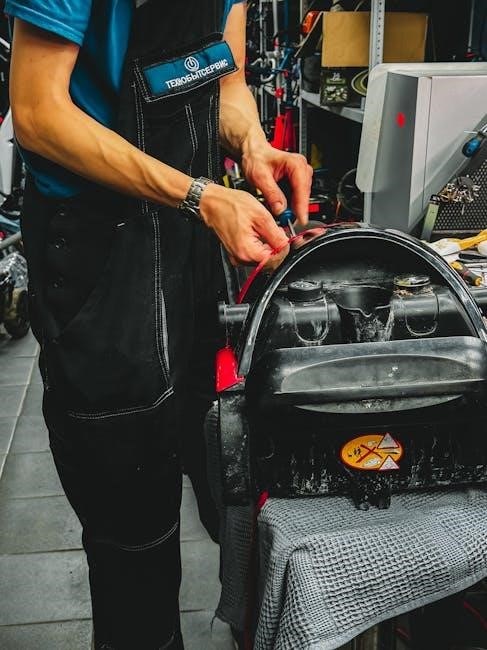
Regular maintenance ensures peak performance and extends the lifespan of your Yamaha EF2000iS. This section details procedures and solutions for common operational issues.
Oil Change Procedures
Maintaining proper oil levels and quality is crucial for the longevity of your Yamaha EF2000iS. Regular oil changes prevent engine wear and ensure reliable operation. Yamaha recommends changing the oil after the first 10 hours of use, and then every 100 hours or annually, whichever comes first.
Before starting, ensure the generator is cool and on a level surface. You’ll need fresh 10W-30 oil (approximately 0.35 quarts), a wrench for the oil drain plug, an oil filter wrench (if applicable – check your model), a drain pan, and funnels. Locate the oil drain plug, carefully remove it, and allow the old oil to drain completely. Replace the drain plug with a new washer, tightening it securely.
If your model has an oil filter, replace it now. Add the recommended amount of new oil, checking the oil level with the dipstick. Do not overfill! Properly dispose of the used oil at a designated recycling center.
Air Filter Cleaning & Replacement
A clean air filter is vital for optimal engine performance and fuel efficiency of your Yamaha EF2000iS. Inspect the air filter every 25 hours of operation, and clean or replace it as needed. A dirty air filter restricts airflow, leading to reduced power and increased fuel consumption.
To access the air filter, locate the air filter cover (usually secured with clips or screws). Remove the cover and carefully remove the air filter. If the filter is only dusty, gently tap it to remove loose debris or use compressed air (blowing from the inside out). Do not use water!
If the filter is dirty or damaged, it must be replaced. Install a new, genuine Yamaha air filter, ensuring a proper seal. Reattach the air filter cover securely. Regular air filter maintenance extends the life of your generator and ensures consistent performance.
Spark Plug Inspection & Replacement
Regular spark plug inspection is crucial for maintaining optimal combustion and engine performance in your Yamaha EF2000iS. Inspect the spark plug every 100 hours of operation, or annually, whichever comes first. A fouled or worn spark plug can cause hard starting, misfiring, and reduced power.
To inspect the spark plug, disconnect the spark plug wire and remove the spark plug using a spark plug wrench. Examine the electrode for carbon buildup, wear, or damage. A healthy spark plug should have a tan or light gray color. Clean a lightly fouled plug with a wire brush, but replace it if heavily fouled or damaged.
When replacing the spark plug, use only a genuine Yamaha replacement spark plug with the correct heat range. Gap the new spark plug to the specified clearance (refer to the technical specifications section). Install the spark plug and tighten it to the recommended torque.

Technical Specifications
This section details the Yamaha EF2000iS’s key technical parameters, including output wattage, frequency, dimensions, weight, and noise ratings for informed operation.
Output Specifications (Voltage, Frequency, Power)
The Yamaha EF2000iS delivers a consistently clean power output, crucial for sensitive electronics. Its rated AC output is 2000 watts, while its maximum AC output reaches 2200 watts, providing a surge capacity for starting motors and other demanding appliances. The generator boasts a stable voltage output of 120V AC, ensuring compatibility with standard North American electrical devices.
Frequency remains a consistent 60Hz, vital for proper operation of time-sensitive equipment. Furthermore, the EF2000iS features a DC output of 12V, 8A, allowing for charging batteries or powering DC accessories. The power factor is approximately 1.0, indicating efficient power delivery. Understanding these specifications is key to safely and effectively utilizing the generator’s capabilities, preventing overload and ensuring optimal performance for all connected devices.
Dimensions & Weight
Portability is a key strength of the Yamaha EF2000iS, facilitated by its compact dimensions and relatively lightweight design. The generator measures approximately 21.1 x 12.8 x 18.7 inches (537 x 325 x 475 mm) – a size that allows for easy storage in a vehicle or garage. Its dry weight is around 44.3 lbs (20.1 kg), making it manageable for one person to lift and transport.
These dimensions and weight contribute to its versatility, suitable for camping, tailgating, and job site applications. The compact footprint minimizes space requirements, while the manageable weight prevents excessive strain during transport. Careful consideration of these physical characteristics is essential when planning for storage and relocation of the generator, ensuring convenient and safe operation wherever needed.
Noise Level

The Yamaha EF2000iS is renowned for its exceptionally quiet operation, a significant advantage for camping, residential use, and noise-sensitive environments. At a typical operating load, the generator produces approximately 51.5 dBA (decibels) – a level comparable to normal conversation. This low noise output is achieved through a combination of advanced sound dampening materials and a meticulously engineered muffler system.
Compared to traditional generators, the EF2000iS offers a dramatically quieter experience, minimizing disturbance to surrounding areas. This feature is particularly valuable when using the generator near campsites, homes, or during events where a peaceful atmosphere is desired. The low noise level enhances usability and promotes a more enjoyable experience for both the operator and those nearby.

Troubleshooting Common Issues
This section provides solutions for typical problems, like starting failures, low voltage, or overload shutdowns, ensuring quick diagnosis and restoring optimal generator function.
Generator Won’t Start
If your Yamaha EF2000iS fails to start, systematically check several key areas. First, ensure sufficient fuel in the tank and that the fuel valve is open. A common issue is stale fuel; drain and replace it with fresh gasoline. Next, verify the oil level – the EF2000iS has a low-oil shutoff, preventing operation with insufficient lubrication.
Inspect the spark plug for fouling or damage; clean or replace as needed. Confirm the spark plug cap is securely connected. Also, check the air filter for obstructions, as a clogged filter restricts airflow. Ensure the choke is properly positioned – fully open for warm starts, and partially closed for cold starts. Finally, examine the recoil starter cord for damage and ensure it’s retracting smoothly. If problems persist, consult a qualified Yamaha technician.
Low Output Voltage
Experiencing low output voltage from your Yamaha EF2000iS typically indicates an overloading issue or a problem within the generator’s internal components. First, reduce the electrical load connected to the generator; ensure the total wattage demand doesn’t exceed the EF2000iS’s rated output. Check the connected devices for faults that might be drawing excessive current.
If the load is within limits, inspect the generator’s voltage regulator – a faulty regulator can cause unstable or low voltage. A damaged stator or rotor winding can also contribute to this issue. It’s crucial to avoid running the generator under prolonged low-voltage conditions, as it can damage sensitive electronics. If the problem continues, professional diagnosis and repair by a certified Yamaha technician are recommended.
Overload Protection Activation
The Yamaha EF2000iS features overload protection, designed to safeguard both the generator and connected appliances. When activated, the generator’s circuit breaker will trip, immediately halting power output. This occurs when the total wattage demand exceeds the generator’s maximum capacity, typically 2000 watts (1600 watts continuous).
Before restarting, disconnect some appliances to reduce the load. Verify the wattage requirements of all connected devices, ensuring they fall within the generator’s limits. Repeated overload activations suggest a consistent over-demand issue. Avoid repeatedly resetting the breaker without addressing the underlying cause, as this can damage the generator. If the breaker trips immediately upon restart even with a reduced load, a professional inspection is necessary.

Yamaha Support & Warranty Information
Access Yamaha’s extensive support network through local dealers, online resources, and FAQs for assistance with your EF2000iS, alongside detailed warranty coverage details.
Finding Local Yamaha Dealers
Locating an authorized Yamaha dealer is crucial for genuine parts, qualified service, and expert advice regarding your EF2000iS inverter generator. Yamaha’s official website provides a comprehensive “Dealer Locator” tool, allowing users to search by zip code or location to pinpoint nearby dealerships.
This tool displays dealer addresses, phone numbers, websites, and often, their service capabilities. Visiting a local dealer ensures access to knowledgeable staff who can assist with pre-purchase questions, maintenance scheduling, warranty claims, and troubleshooting complex issues.
Furthermore, authorized dealers can provide valuable insights into local regulations and best practices for generator usage. They also frequently stock essential accessories, such as oil, filters, and covers, specifically designed for the EF2000iS. Don’t hesitate to contact multiple dealers to compare services and pricing before making a decision.
Warranty Coverage Details
Yamaha provides a standard warranty for the EF2000iS, typically covering manufacturing defects in materials and workmanship. The duration is commonly three years for recreational use and one year for commercial use, starting from the original purchase date.
This warranty doesn’t cover damage resulting from misuse, improper maintenance (like using incorrect oil), accidents, alterations, or normal wear and tear. Maintaining detailed records of maintenance, including oil changes and filter replacements, is vital for warranty claims.
To initiate a claim, you must contact an authorized Yamaha dealer. They will assess the issue and, if covered, facilitate the repair or replacement process. Always retain your original purchase receipt as proof of date and location. Review the full warranty statement included with your EF2000iS for complete terms and conditions.
Online Resources & FAQs
Yamaha’s official website is a primary resource, offering downloadable manuals, parts diagrams, and troubleshooting guides for the EF2000iS. Numerous online forums, like those on MOTOR-TALK, host discussions where users share experiences and solutions to common issues. These communities can provide valuable insights beyond the official documentation.
Frequently Asked Questions (FAQs) address typical concerns regarding starting problems, wattage calculations, and maintenance schedules. YouTube channels often feature instructional videos demonstrating oil changes, air filter cleaning, and other essential procedures.
Always verify information found on forums with official Yamaha resources to ensure accuracy. Searching for “Yamaha EF2000iS manual” will yield a wealth of information, but prioritize official Yamaha documentation for reliable guidance.