schumacher battery charger 6v/12v manual
Schumacher Battery Charger 6V/12V Manual: Overview
Schumacher chargers offer reliable power solutions for various lead-acid batteries. This manual details safe operation, covering models like XC6, SC-600A, and SSC-1500A.
Schumacher has a long-standing reputation for producing dependable battery chargers and related automotive accessories. For decades, they’ve equipped both professional mechanics and DIY enthusiasts with the tools needed to maintain and restore vehicle batteries. Their chargers are designed to efficiently and safely replenish power in lead-acid batteries, encompassing standard, AGM, and GEL types.
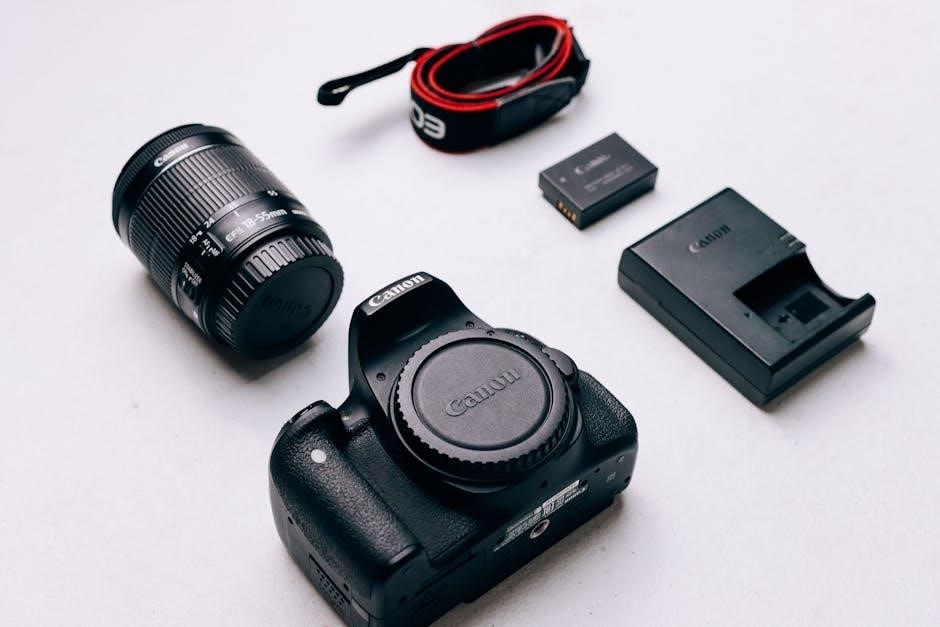
This manual provides comprehensive guidance for operating a range of Schumacher chargers, including models like the XC6, XC10, XC12, XCS15, SC-600A, SC-1000A, SC-1200A, SSC-1000A, and SSC-1500A. Understanding the features and proper usage of your specific model is crucial for optimal performance and longevity. These automatic and, in some cases, manual chargers simplify the battery charging process, offering features like desulfation and maintenance modes to extend battery life.
Safety Precautions
Prioritize safety when operating your Schumacher battery charger. Always disconnect the battery from the vehicle before connecting the charger to prevent electrical shock and potential damage. Ensure the charging area is well-ventilated, as batteries can release explosive gases during charging. Never charge a frozen battery; thaw it first.
Avoid contact with battery acid, and wear appropriate eye protection and gloves. Do not operate the charger in wet or damp conditions. Inspect the charger’s cables and clamps for damage before each use, replacing any worn or frayed components. Improper connections can lead to sparks and potential fire hazards. Follow all instructions carefully, and never attempt to modify the charger.

Understanding Your Schumacher Charger
Schumacher chargers support lead-acid batteries, offering 6V and 12V settings. Models like XC6, SC-600A, and SSC-1500A feature automatic and manual charging modes.
Supported Battery Types (Lead-Acid)
Schumacher chargers are specifically designed for charging 6V and 12V lead-acid batteries. This encompasses several common types, including Standard (flooded), AGM (Absorbent Glass Mat), and Gel batteries. It’s crucial to identify your battery type before charging to ensure optimal performance and longevity. Using the correct settings for your specific lead-acid battery prevents damage and maximizes charge efficiency.
These chargers are not intended for use with other battery chemistries like lithium-ion. Attempting to charge incompatible battery types can lead to hazardous situations, including fire or explosion. Always verify compatibility before connecting the charger. For batteries with a very low voltage – below 1 volt – a manual charging mode or a pre-charge may be necessary to initiate the charging process safely.
Voltage Settings: 6V vs. 12V
Schumacher chargers offer both 6V and 12V settings to accommodate a wide range of lead-acid batteries. Selecting the correct voltage is paramount; using the wrong setting can severely damage the battery or the charger itself. A 12V battery connected to a 6V setting will not charge effectively, while a 6V battery on 12V risks overcharging and potential failure.
If the charger fails to recognize the battery voltage, and defaults to 6V when it should be 12V, the battery may be deeply discharged or faulty and require replacement. Always double-check the battery’s labeled voltage before connecting the charger. Proper voltage selection ensures a safe and efficient charging cycle, maximizing battery life and performance.
Charger Models Covered (XC6, XC10, XC12, XCS15, SC-600A, SC-1000A, SC-1200A, SSC-1000A, SSC-1500A)
This manual provides guidance for a comprehensive range of Schumacher battery chargers, including the XC6, XC10, XC12, and XCS15 automatic models. It also covers the Speed Charge series: SC-600A, SC-1000A, SC-1200A, alongside the SSC-1000A and SSC-1500A. While specific features may vary slightly between models, the core charging principles and safety precautions remain consistent.
Users should refer to the specific model’s labeling for any unique instructions. The procedures outlined herein are generally applicable to all listed chargers, ensuring proper operation and maximizing battery lifespan. Understanding your specific model number is crucial for accessing relevant support and troubleshooting resources.

Charging Procedures
Proper connection to the battery is vital for safe and effective charging. Automatic and manual modes offer flexibility, ensuring optimal power delivery to your battery.
Connecting the Charger to the Battery
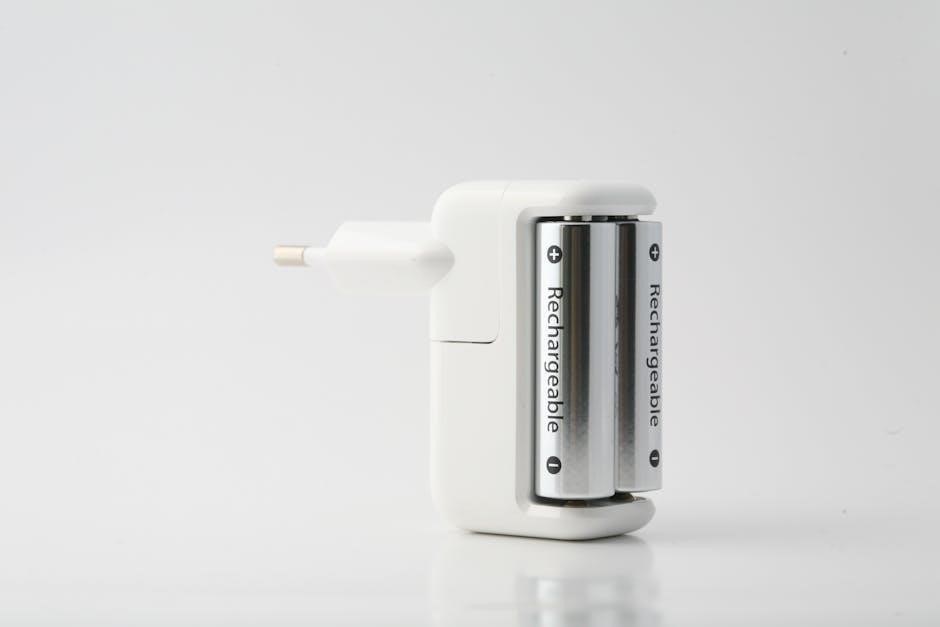
Before connecting, ensure the charger is off. Attach the red clamp to the positive terminal of the battery, and the black clamp to the negative terminal. Double-check polarity to prevent damage! A reverse connection can severely harm both the charger and the battery. Ensure clamps have a secure grip, avoiding loose connections that could cause sparking or inefficient charging.
For batteries installed in vehicles, disconnect the negative terminal first, then the positive. When reconnecting after charging, reverse this order. Always work in a well-ventilated area, as batteries release explosive gases during charging. Avoid contact with battery acid, and wear appropriate safety gear, like gloves and eye protection. Confirm the selected voltage (6V or 12V) matches the battery’s requirement before initiating the charge.
Automatic Charging Mode Operation
In automatic mode, the Schumacher charger intelligently cycles through charge stages. Initially, a fast charge delivers a significant current to quickly restore battery capacity. As the battery nears full charge, the charger transitions to a slower, maintenance phase, preventing overcharging and extending battery life. The charger automatically detects battery voltage and adjusts accordingly.
If a battery is deeply discharged (under 1 volt), the charger may initiate a desulfation mode, attempting to break down sulfate crystals that hinder performance. This process can take up to eight hours. Should desulfation fail, the charging cycle will abort. The charger’s LED indicators display the current stage – charging, maintaining, or completed. The output shuts off when the battery is fully charged, ensuring safe and efficient operation.
Manual Charging Mode (If Applicable)
Some Schumacher chargers offer a manual charging mode, providing users greater control over the charging process; This mode bypasses the automatic voltage detection, allowing you to specifically select either 6V or 12V charging. It’s crucial to correctly identify your battery’s voltage before initiating manual charging; an incorrect setting can damage the battery.
Manual mode is particularly useful for deeply discharged batteries with voltages below 1 volt, where automatic detection may fail. In such cases, starting with a lower voltage setting (6V) and gradually increasing it can help revive the battery. However, continuous monitoring is essential to prevent overcharging. Always disconnect the charger immediately upon reaching a full charge, as manual mode lacks the automatic shut-off feature.

Troubleshooting Common Issues
Schumacher chargers may encounter issues like voltage misdetection or unexpected charging stops; checking connections and battery health is vital for resolution.
Charger Not Recognizing Battery Voltage
If your Schumacher charger fails to recognize the battery voltage, several factors could be at play. First, ensure a clean and secure connection between the charger clamps and the battery terminals. Corrosion or loose connections can impede proper voltage reading. A severely discharged battery, with a voltage below 1 volt, might be detected as a 6V battery instead of 12V.
In such cases, a manual charger with a lower amperage setting may be needed to initially ‘wake up’ the battery. Try unplugging the charger from the AC power source and plugging it back in to reset the system. If the issue persists, the battery itself may be damaged beyond recovery and require replacement. Always verify the battery’s condition before proceeding with charging attempts.
Charging Aborts Unexpectedly
Unexpected charging interruptions with your Schumacher charger often indicate a problem with the battery itself or the charging process. If desulfation fails – a process that can take up to 8 hours – the charger will automatically abort the charge to prevent damage. This is a safety feature designed to protect both the charger and the battery.
Low voltage detection, specifically below 14.2V for a 12V battery or 7.1V for a 6V battery, can also trigger an abort. Ensure the battery is appropriate for the selected voltage setting. A severely sulfated or internally damaged battery may also cause the charger to terminate the charging cycle prematurely. Inspect the battery for physical damage and consider replacement if issues persist.
Low Voltage Battery Detection (Under 1 Volt)
Schumacher chargers are equipped with safety features to address extremely discharged batteries, those registering below 1 volt. When a battery presents with such low voltage, the charger may initially struggle to recognize it, potentially identifying it as a 6V battery instead of the intended 12V. This misidentification prevents proper charging and can lead to a failed attempt.
In these cases, a manual charger with adjustable settings is often recommended for a preliminary “wake-up” charge. This gentle approach can slowly bring the battery voltage back to a level where the automatic charger can safely and effectively take over. If the battery remains unable to hold a charge after this initial attempt, replacement is strongly advised, as it indicates significant internal damage.

Advanced Features & Maintenance
Schumacher chargers include desulfation modes, potentially lasting up to eight hours, and maintenance settings; however, prolonged maintenance charging isn’t advised.
Desulfation Mode & Duration
Schumacher battery chargers feature a desulfation mode designed to recover batteries with sulfate buildup on the lead plates. This process attempts to break down these sulfate crystals, restoring the battery’s capacity and extending its lifespan. The duration of the desulfation cycle can vary, potentially reaching up to eight hours, depending on the severity of the sulfation.
If the desulfation process is unsuccessful in restoring the battery, the charger will automatically abort the charging cycle to prevent potential damage. It’s crucial to understand that severely sulfated batteries may not be recoverable, even with desulfation. Consistent monitoring during this phase is recommended, and a failed desulfation attempt indicates a likely need for battery replacement.
Maintenance Mode & Limitations
Schumacher chargers incorporate a maintenance mode to keep fully charged batteries at optimal voltage levels. This feature prevents overcharging and sulfation, extending battery life. However, it’s not recommended for large batteries, as prolonged maintenance charging can potentially diminish their ability to hold a charge over time.
The maintenance mode technology utilized by Schumacher is designed for consistent, long-term battery upkeep. It’s essential to recognize its limitations; it’s best suited for batteries used infrequently or seasonally. Regularly checking the battery’s condition is advised, even while in maintenance mode, to ensure continued performance and identify any potential issues before they escalate.
LED Indicator Guide & Interpretation
Schumacher chargers utilize LED indicators to communicate the charging process status. A fully lit LED array often signifies the charger is operational but may indicate a problem if all lights illuminate simultaneously. Understanding these signals is crucial for effective charging.
If the charger doesn’t recognize battery voltage, a specific LED pattern may appear, potentially indicating a low voltage situation (under 1 volt). In such cases, a manual charger might be needed for initial pre-charging. The LEDs also reflect charging stages – from initial assessment to bulk, absorption, and maintenance phases. Refer to your specific model’s manual for a detailed interpretation of each LED combination.

Technical Specifications
Schumacher chargers operate on standard input voltage and deliver varying output currents for both 6V and 12V lead-acid batteries, depending on the model.
Input Voltage & Current
Schumacher battery chargers are designed for use with standard household AC power. Typically, these chargers require a 120V AC input at 60Hz. The input current draw will vary significantly depending on the charger model and the charging stage. Lower amperage models, such as the XC6 or SC-600A, may draw around 0.5 to 1.0 amps during operation.
Higher capacity chargers, like the SC-1200A or SSC-1500A, can draw upwards of 2.0 to 3.0 amps, especially during the initial charging phases or when attempting to recover a deeply discharged battery. It’s crucial to ensure the power outlet is adequately rated to handle the charger’s input current to prevent overheating or tripping circuit breakers. Always refer to the specific model’s label for precise input voltage and current specifications.
Output Voltage & Current (6V/12V)
Schumacher chargers provide selectable output voltages of 6V and 12V, catering to a wide range of lead-acid battery types. The output current varies considerably based on the charger model and selected voltage. Lower amperage models, like the XC6, typically deliver around 200-400mA at 6V and 2-4 amps at 12V.
Higher-capacity chargers, such as the SC-1200A or SSC-1500A, can output up to 12 amps at 12V and proportionally lower currents at 6V. The charger automatically adjusts the output current based on the battery’s condition and charging stage. Maintaining a stable output voltage is crucial for efficient and safe charging, preventing overcharging or undercharging of the battery. Always consult the specific model’s specifications for precise output details.